
Filipino Martial Arts
Forge Focus. Master Movement. Train Filipino Martial Arts.
Forge Focus. Master Movement.
Train Filipino Martial Arts.
Beginner‑friendly to advanced. Practical weapon concepts, empty‑hand skills, and a welcoming community.

Safety
If you can’t stay safe, you can’t train; in our experience our training tends to be safer than Tae Kwon Do or Karate.

Have Fun
If you don’t have fun, you won’t come back.

Good Workouts
Many quit boring workouts like pushups and squats-FMA keeps fitness fun for all ages, even into your 80s!

Self Defense
We teach the same techniques used by the Philippine military-proven and highly effective.

Why FMA
Real‑World Skill. Cultural Roots.
Develop timing, coordination, and practical awareness with authentic Filipino Martial Arts.
Practical weapon and empty‑hand concepts
Respect, discipline, and community
Clear goals and progression

Lessons
Find Your Path
Equipment
In FMA, we start with weapons first-it makes hand skills easier and always practical.

Mano Mano
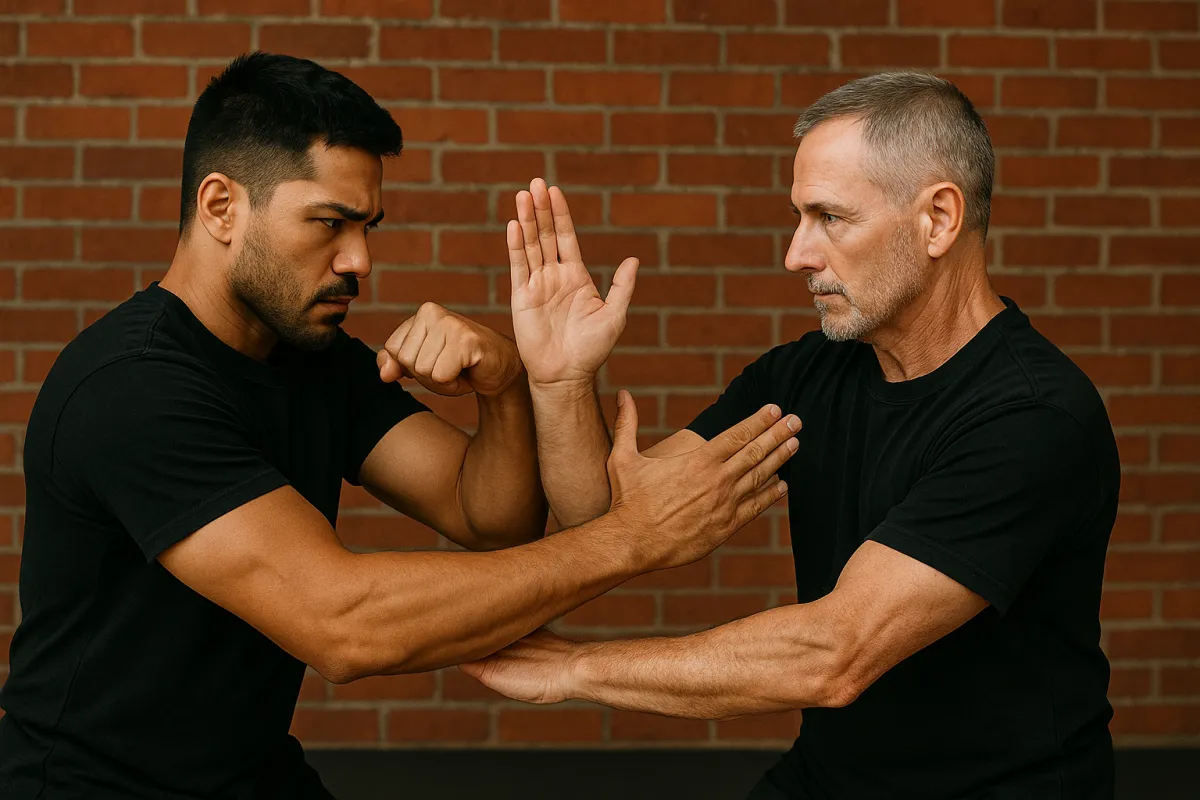
“Mano e Mano” covers basic punches and a roundhouse kick demo by Bas Rutten.
Footwork
Footwork is the foundation of martial arts-essential for balance, power, and effective movement.

Kicks
FMA isn’t a kicking art, but basic kicks build balance, defense, and distance control.

Weapon Strikes
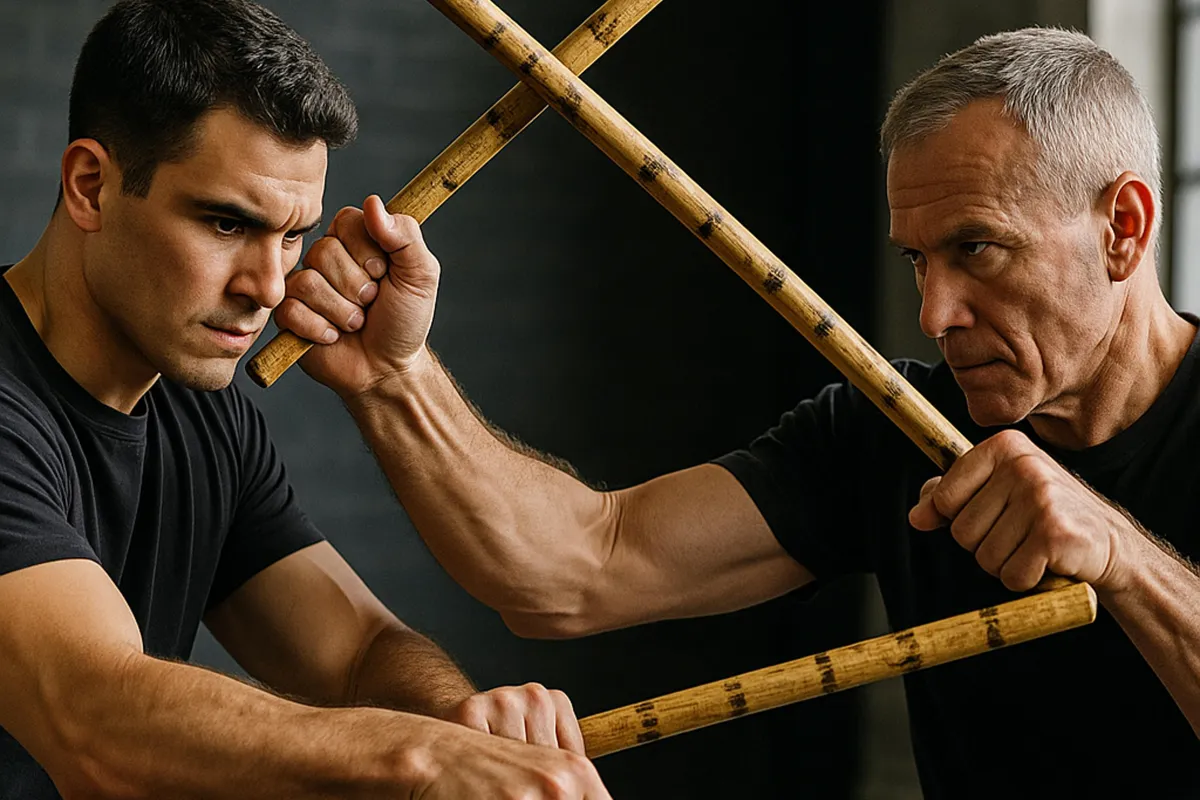
Core striking techniques with weapons for speed, accuracy, and real-world effectiveness.
Self Defense
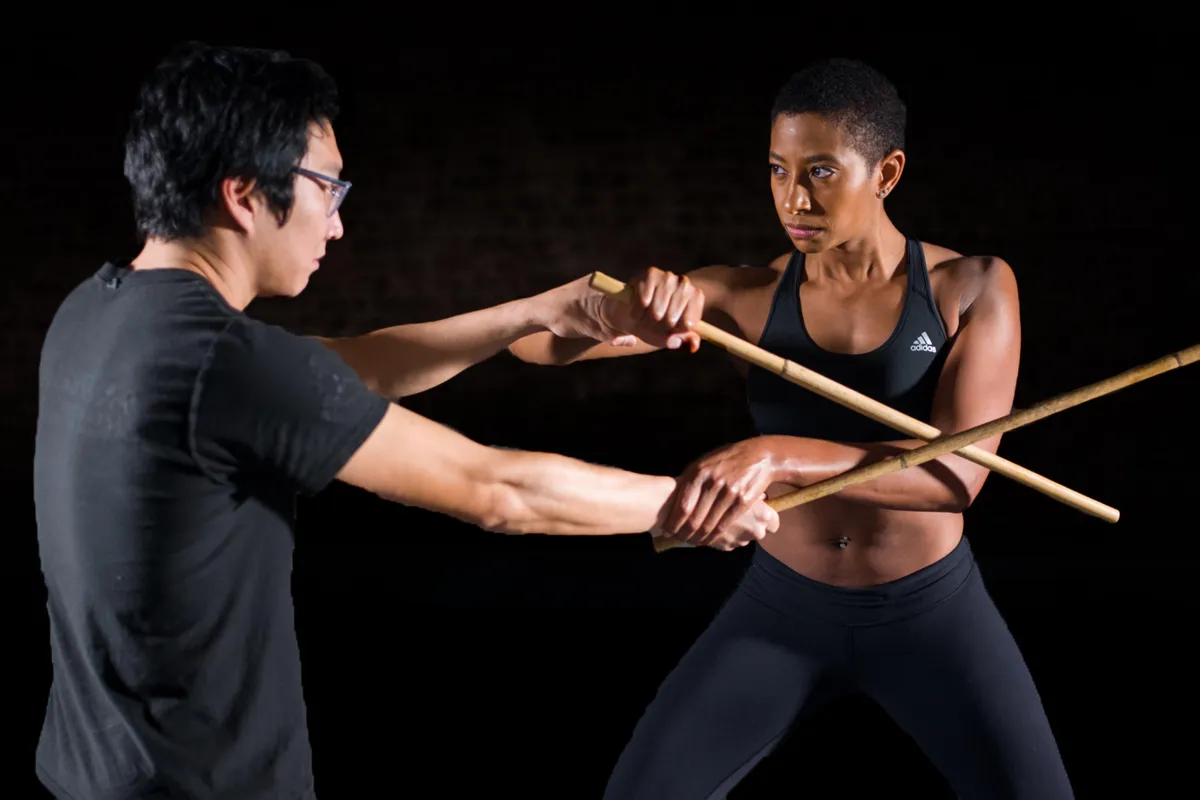
Run if possible. If not, use simple, legal, well-practiced FMA techniques - avoid quick crash courses.
Sparring
Sparring shows what works: light (padded, safer) or full contact (harder, external). It’s optional - tell instructors if you want in.

Learn More About Filipino Martial Arts

ABOUT LAKAN DANIEL QUEST
Filipino Martial Arts (FMA) is a style of martial arts that originates in the Philippines, a place where Spanish, Japanese, Chinese, and traditional Filipino arts melded into an extremely effective fighting system.
In FMA, weapons are often taught first before the open hand. Understanding how to handle a force multiplier (a weapon) gives one a firm grasp of what is most effective in a self defense situation. Techniques are based on physics not mysticism or based on a cooperative opponent. These techniques have been proven on the field of battle.
When we train FMA, we train with control and focus on flow not force, so it can feel more like ‘patty cake’ than full force sparing found in other arts. This is just the way that we break down a complex task into parts and insure that both partners remain safe. As the training advances, more and more ‘guard rails’ are removed until flow drills begin to look more and more like actual combat as the student gets closer to mastery.
QUEST FILIPINO MARTIAL ARTS
Our Lessons
Equipment
Mano Mano
Footwork
Kicks
Weapon Strike
Self Defense
Sparring


